

Strategic development consulting plays a pivotal role in shaping the future of organizations across various sectors. In an increasingly competitive landscape, businesses are compelled to not only identify their core competencies but also to leverage them effectively to achieve sustainable growth. Strategic consultants bring a wealth of expertise and an external perspective that can illuminate blind spots within an organization.
They assist in aligning resources, capabilities, and market opportunities, ensuring that companies are not merely reacting to changes in their environment but proactively shaping their trajectories. Moreover, the importance of strategic development consulting extends beyond mere growth; it encompasses the cultivation of resilience and adaptability. In a world characterized by rapid technological advancements and shifting consumer preferences, organizations must be agile.
Consultants help businesses navigate these complexities by providing frameworks and methodologies that facilitate informed decision-making. By engaging with strategic consultants, organizations can harness data-driven insights and innovative strategies that empower them to thrive in uncertain times.
Key Takeaways
- Strategic development consulting is crucial for long-term success and growth of a business.
- Identifying key areas for growth potential helps in focusing resources and efforts in the right direction.
- Developing a customized strategic plan ensures that the approach is tailored to the specific needs and goals of the business.
- Implementing strategies for sustainable growth involves careful planning and execution to ensure long-term success.
- Measuring and evaluating progress is essential to track the effectiveness of the strategies and make necessary adjustments.
- Adapting and evolving for continued success is important to stay competitive and relevant in a constantly changing business environment.
Identifying Key Areas for Growth Potential
Identifying key areas for growth potential is a critical step in the strategic development process. This phase involves a thorough analysis of both internal capabilities and external market conditions. Organizations must conduct a comprehensive SWOT analysis—assessing their strengths, weaknesses, opportunities, and threats—to gain a holistic view of their current position.
For instance, a technology firm may recognize its strong R&D capabilities as a strength while identifying market saturation as a potential threat. This dual perspective allows businesses to pinpoint where they can capitalize on their strengths to exploit emerging opportunities. In addition to internal assessments, understanding market dynamics is essential for identifying growth areas.
This involves analyzing industry trends, consumer behavior, and competitive landscapes. For example, a retail company might discover through market research that there is a growing demand for sustainable products among consumers. By recognizing this trend, the company can pivot its product offerings to include eco-friendly options, thereby tapping into a lucrative market segment.
The intersection of internal capabilities and external opportunities forms the foundation for strategic initiatives that can drive growth.
Developing a Customized Strategic Plan

Once key areas for growth have been identified, the next step is to develop a customized strategic plan tailored to the organization’s unique context. A well-crafted strategic plan serves as a roadmap, outlining specific objectives, initiatives, and timelines that guide the organization toward its desired outcomes. This process often begins with setting clear, measurable goals that align with the organization’s vision and mission.
For instance, a healthcare provider may aim to increase patient satisfaction scores by 20% over the next year as part of its strategic objectives. The development of a strategic plan also requires engaging stakeholders across various levels of the organization. Involving employees in the planning process fosters a sense of ownership and commitment to the strategic initiatives.
Workshops and brainstorming sessions can be effective in gathering diverse perspectives and generating innovative ideas. Additionally, leveraging tools such as the Balanced Scorecard can help organizations translate their strategic objectives into actionable plans by linking performance metrics to specific initiatives. This ensures that every aspect of the organization is aligned with its overarching goals.
Implementing Strategies for Sustainable Growth
| Metrics | 2018 | 2019 | 2020 |
|---|---|---|---|
| Revenue Growth | 10% | 12% | 15% |
| Profit Margin | 8% | 9% | 10% |
| Customer Satisfaction | 85% | 88% | 90% |
| Employee Turnover | 12% | 10% | 8% |
Implementing strategies for sustainable growth necessitates a structured approach that emphasizes execution and accountability. Once the strategic plan is in place, organizations must prioritize initiatives based on their potential impact and feasibility. This often involves allocating resources effectively—whether financial, human, or technological—to ensure that key projects receive the attention they require.
For example, if a company identifies digital transformation as a priority, it may invest in new software systems and training programs to equip employees with the necessary skills. Effective communication is also crucial during the implementation phase. Leaders must articulate the vision behind each initiative clearly and consistently to foster buy-in from employees at all levels.
Regular updates on progress and challenges can help maintain momentum and encourage collaboration across departments. Furthermore, establishing cross-functional teams can facilitate knowledge sharing and innovation as diverse skill sets come together to tackle complex challenges. By fostering a culture of collaboration and transparency, organizations can enhance their ability to execute strategies successfully.
Measuring and Evaluating Progress
Measuring and evaluating progress is an integral component of any strategic development process. Organizations must establish key performance indicators (KPIs) that align with their strategic objectives to track progress effectively. These metrics provide quantifiable data that can inform decision-making and highlight areas requiring adjustment.
For instance, if a company’s goal is to increase market share by 15%, it may track sales growth, customer acquisition rates, and brand awareness metrics to gauge its success. Regular evaluation sessions should be scheduled to review performance against established KPIs. These sessions provide an opportunity for teams to reflect on what is working well and what may need recalibration.
Utilizing data analytics tools can enhance this process by providing real-time insights into performance trends. Additionally, soliciting feedback from employees and customers can offer valuable qualitative data that complements quantitative metrics. By fostering a culture of continuous improvement, organizations can remain agile and responsive to changing circumstances.
Adapting and Evolving for Continued Success
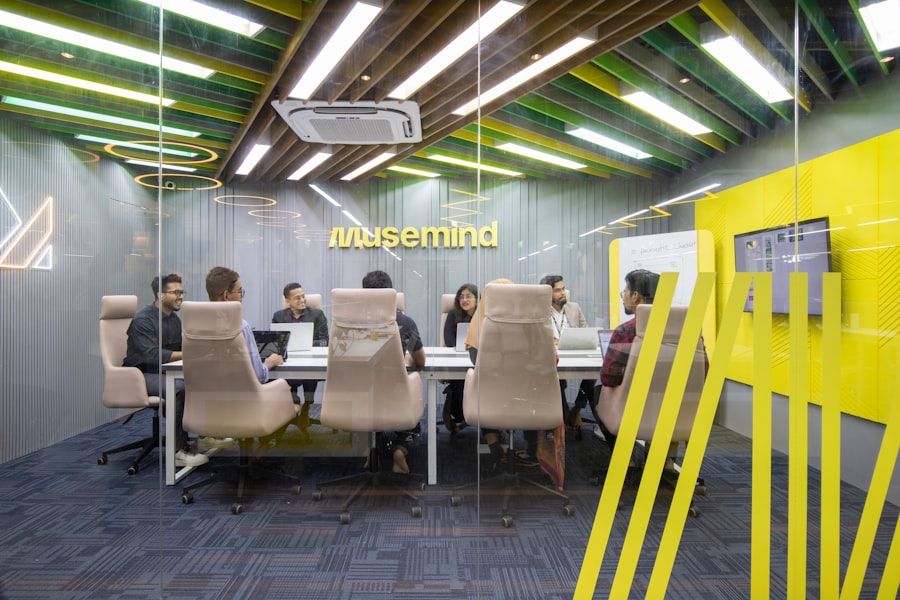
In today’s fast-paced business environment, the ability to adapt and evolve is paramount for continued success. Organizations must recognize that strategic development is not a one-time event but an ongoing process that requires vigilance and flexibility. As market conditions shift and new challenges arise, businesses must be prepared to reassess their strategies and make necessary adjustments.
This could involve pivoting product lines in response to consumer feedback or exploring new markets as opportunities emerge. Moreover, fostering a culture of innovation within the organization can significantly enhance its adaptability. Encouraging employees to experiment with new ideas and approaches can lead to breakthroughs that drive growth.
Companies like Google exemplify this approach by allowing employees to dedicate time to passion projects that may not directly align with their primary roles but have the potential to yield significant innovations. By embracing change and encouraging creative thinking, organizations can position themselves as leaders in their industries, ready to seize new opportunities as they arise. In conclusion, strategic development consulting serves as a vital resource for organizations seeking sustainable growth in an ever-evolving landscape.
By identifying key areas for growth potential, developing customized strategic plans, implementing effective strategies, measuring progress, and adapting as needed, businesses can navigate complexities with confidence and resilience. The journey toward strategic development is not merely about achieving immediate goals; it is about fostering a mindset of continuous improvement that empowers organizations to thrive in the long term.