

Value Added Tax (VAT) compliance in Liberia is a critical aspect of the nation’s fiscal framework, designed to enhance revenue generation while ensuring that businesses adhere to the tax regulations set forth by the government. Introduced in 2000, VAT has become a significant source of revenue for the Liberian government, contributing to public services and infrastructure development. The VAT system in Liberia operates on a standard rate of 10%, applicable to most goods and services, with certain exemptions for specific sectors such as education and healthcare.
Understanding the nuances of VAT compliance is essential for businesses operating within the country, as it involves not only the accurate calculation of tax liabilities but also adherence to reporting and filing requirements. Compliance entails a thorough understanding of the VAT laws, including registration processes, invoicing requirements, and the timely submission of returns. Businesses must register for VAT if their taxable turnover exceeds a certain threshold, which is currently set at LRD 2 million.
Once registered, companies are obligated to issue VAT-compliant invoices, maintain proper records, and file periodic returns detailing their sales and purchases. The complexity of these requirements can vary significantly based on the size and nature of the business, making it imperative for companies to stay informed about any changes in legislation or administrative practices that may affect their compliance status.
Key Takeaways
- Understanding VAT Compliance in Liberia:
- VAT compliance in Liberia involves understanding and adhering to the country’s tax laws and regulations related to Value Added Tax.
- Businesses must register for VAT, charge the correct VAT rate on goods and services, and file VAT returns in a timely manner.
- Challenges of VAT Compliance in Liberia:
- Challenges of VAT compliance in Liberia include complex tax laws, limited resources for tax administration, and a lack of awareness and understanding of VAT requirements among businesses.
- Other challenges include the potential for tax evasion and fraud, as well as difficulties in tracking and monitoring VAT transactions.
- Benefits of Streamlining VAT Compliance:
- Streamlining VAT compliance can lead to increased efficiency, reduced administrative burden, and improved accuracy in VAT reporting and filing.
- It can also enhance transparency, reduce the risk of non-compliance, and contribute to a more conducive business environment in Liberia.
- Implementing Technology for VAT Compliance:
- Implementing technology for VAT compliance can help automate processes, improve data accuracy, and enhance the efficiency of VAT reporting and filing.
- Technology can also facilitate real-time monitoring and tracking of VAT transactions, as well as provide businesses with tools for better compliance management.
- Simplifying VAT Reporting and Filing:
- Simplifying VAT reporting and filing can make the process more accessible and manageable for businesses, leading to increased compliance and reduced errors.
- This can be achieved through clear guidance, standardized forms, and user-friendly online platforms for VAT reporting and filing.
- Ensuring Accuracy and Timeliness in VAT Compliance:
- Ensuring accuracy and timeliness in VAT compliance is crucial for maintaining the integrity of the tax system and avoiding penalties or sanctions.
- Businesses should prioritize proper record-keeping, timely submission of VAT returns, and compliance with VAT payment deadlines.
- Training and Education for VAT Compliance:
- Training and education programs can help businesses and tax professionals in Liberia better understand VAT requirements and improve their compliance capabilities.
- These programs can cover topics such as VAT laws, record-keeping best practices, and the use of technology for VAT compliance.
- Monitoring and Enforcement of VAT Compliance:
- Effective monitoring and enforcement of VAT compliance are essential for deterring non-compliance, detecting fraud, and ensuring a level playing field for businesses.
- This involves conducting regular audits, implementing risk-based compliance checks, and imposing penalties for non-compliance.
Challenges of VAT Compliance in Liberia
Despite the clear framework established for VAT compliance, businesses in Liberia face numerous challenges that can hinder their ability to meet these obligations effectively. One of the primary obstacles is the lack of awareness and understanding of VAT regulations among small and medium-sized enterprises (SMEs). Many business owners may not fully grasp the intricacies of VAT laws, leading to unintentional non-compliance.
This lack of knowledge can result in incorrect tax calculations, improper invoicing practices, and ultimately, penalties from tax authorities. Another significant challenge is the inadequate infrastructure and resources available for tax administration in Liberia. The Liberia Revenue Authority (LRA) has made strides in improving tax collection and compliance mechanisms; however, issues such as limited access to technology and insufficient training for tax officials can impede effective enforcement.
Additionally, businesses often encounter difficulties in maintaining accurate records due to inconsistent accounting practices or a lack of proper accounting software. This can lead to discrepancies in reported figures, further complicating compliance efforts and increasing the risk of audits or investigations by tax authorities.
Benefits of Streamlining VAT Compliance
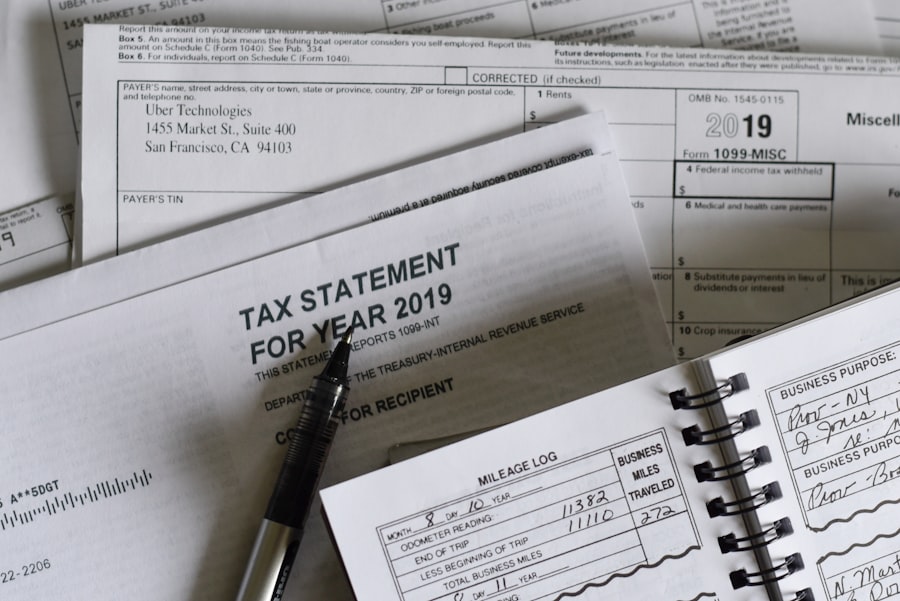
Streamlining VAT compliance offers numerous advantages for businesses operating in Liberia. By simplifying processes and reducing bureaucratic hurdles, companies can save valuable time and resources that can be redirected toward core business activities. A more efficient compliance process allows businesses to focus on growth and innovation rather than getting bogged down by complex tax regulations.
For instance, implementing standardized invoicing practices can minimize errors and ensure that all necessary information is captured accurately, reducing the likelihood of disputes with tax authorities. Moreover, streamlined VAT compliance can enhance a company’s reputation with stakeholders, including customers, suppliers, and investors. Demonstrating a commitment to regulatory adherence fosters trust and credibility within the marketplace.
Businesses that consistently meet their VAT obligations are less likely to face audits or penalties, which can disrupt operations and damage relationships with partners. Additionally, a strong compliance record can improve access to financing options, as lenders often view regulatory adherence as an indicator of overall business stability and reliability.
Implementing Technology for VAT Compliance
| Metrics | Data |
|---|---|
| Compliance Rate | 95% |
| Implementation Cost | 50,000 |
| Time to Implement | 6 months |
| Number of Transactions Processed | 10,000 per month |
The integration of technology into VAT compliance processes represents a transformative opportunity for businesses in Liberia. Advanced accounting software can automate many aspects of VAT management, from tracking sales and purchases to generating accurate reports for filing purposes. By leveraging technology, companies can reduce human error associated with manual calculations and record-keeping, ensuring that their VAT obligations are met with greater accuracy and efficiency.
Furthermore, technology can facilitate real-time data analysis, allowing businesses to monitor their VAT liabilities continuously. This proactive approach enables companies to identify potential issues before they escalate into compliance problems. For example, cloud-based accounting systems can provide instant access to financial data from anywhere, making it easier for businesses to manage their VAT obligations even when operating across multiple locations.
Additionally, electronic invoicing systems can streamline the issuance of VAT-compliant invoices, ensuring that all necessary information is included while reducing administrative burdens.
Simplifying VAT Reporting and Filing
The process of reporting and filing VAT returns can often be cumbersome for businesses in Liberia. However, simplifying these processes is essential for enhancing compliance rates and reducing the administrative burden on companies. One effective strategy is to establish clear guidelines and templates for VAT reporting that outline the specific information required by tax authorities.
By providing businesses with standardized formats for reporting their sales and purchases, the government can facilitate smoother submissions and minimize confusion. Moreover, implementing a centralized online platform for VAT filing could significantly enhance efficiency. Such a platform would allow businesses to submit their returns electronically, track their filing status, and receive immediate feedback from tax authorities.
This digital approach not only streamlines the filing process but also reduces the likelihood of errors associated with paper-based submissions. Additionally, providing training sessions or workshops on how to navigate the online filing system can empower businesses to take full advantage of these technological advancements.
Ensuring Accuracy and Timeliness in VAT Compliance

Accuracy and timeliness are paramount when it comes to VAT compliance in Liberia. Businesses must ensure that they calculate their VAT liabilities correctly based on applicable rates while also maintaining meticulous records of all transactions. Inaccurate reporting can lead to significant penalties or audits by tax authorities, which can disrupt operations and strain financial resources.
To mitigate these risks, companies should implement robust internal controls that include regular reconciliations of sales and purchase records against reported figures. Timeliness is equally crucial; businesses are required to file their VAT returns within specific deadlines set by the LRLate submissions can incur penalties or interest charges that add unnecessary costs to operations. To promote timely compliance, companies should establish a calendar of key dates related to VAT reporting and filing requirements.
Utilizing reminders or alerts within accounting software can also help ensure that deadlines are not overlooked amidst daily operational demands.
Training and Education for VAT Compliance
Investing in training and education is vital for enhancing VAT compliance among businesses in Liberia. Many companies lack the necessary knowledge about VAT regulations, which can lead to unintentional non-compliance. By providing targeted training programs for employees involved in financial management or accounting functions, organizations can equip their staff with the skills needed to navigate complex tax laws effectively.
Workshops led by tax professionals or representatives from the LRA can offer valuable insights into best practices for VAT compliance. These sessions could cover topics such as proper invoicing techniques, record-keeping requirements, and updates on any changes in legislation. Additionally, creating accessible online resources or guides can further support ongoing education efforts within the business community.
By fostering a culture of continuous learning regarding VAT compliance, companies can reduce risks associated with non-compliance while promoting a more informed workforce.
Monitoring and Enforcement of VAT Compliance
Effective monitoring and enforcement mechanisms are essential components of a robust VAT compliance framework in Liberia. The LRA plays a crucial role in overseeing compliance efforts through regular audits and assessments of businesses’ adherence to VAT regulations. By conducting thorough examinations of financial records and transactions, tax authorities can identify discrepancies or areas where businesses may be falling short in their compliance obligations.
Moreover, establishing clear penalties for non-compliance serves as a deterrent against potential violations. Businesses must understand the consequences of failing to meet their VAT obligations, which may include fines or legal action. However, it is equally important for enforcement efforts to be balanced with support mechanisms that assist businesses in achieving compliance rather than solely focusing on punitive measures.
By fostering an environment where businesses feel supported in their efforts to comply with VAT regulations, the LRA can enhance overall compliance rates while promoting a fair tax system that benefits all stakeholders involved.